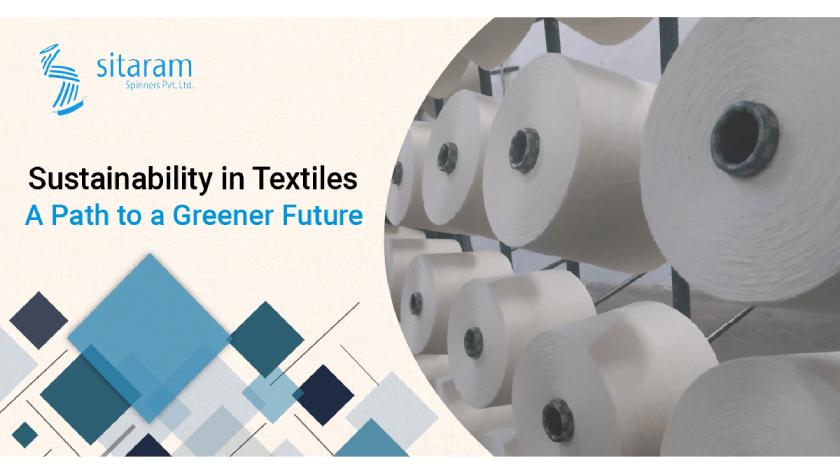
How Yarn Manufacturers in India Are Meeting Global Sustainability Standards
As someone who has spent decades immersed in the art and science of textiles, I’ve witnessed firsthand how deeply the yarn industry has evolved. From the traditional handspun threads that carried centuries of heritage to the modern, high-efficiency spinning mills that define today’s production, the transformation has been nothing short of remarkable. Yet, one of the most significant revolutions I’ve seen in recent years is the conscious shift of yarn manufacturers in India toward global sustainability standards.
This isn’t merely an industrial change; it’s indeed a movement. A movement that weaves together environmental responsibility, ethical practices, and technological innovation to create a textile future that’s not just profitable, but also planet-friendly.

Rise of Sustainability in Yarn Manufacturing in India
The textile industry has long been one of the largest contributors to pollution and resource consumption. From excessive water use in cotton farming to chemical dyes and energy-intensive spinning processes, every stage has historically left a mark on the environment. However, as global markets began prioritizing sustainability, yarn manufacturers in India started realigning their processes to meet international standards, such as:
- Global Organic Textile Standard (GOTS)
- OEKO-TEX Standard 100
- Better Cotton Initiative (BCI)
- Higg Index and ISO 14001 Certifications
These benchmarks ensure that yarn is produced under environmentally sound, ethically safe, and economically viable conditions.
Sustainable Sourcing: From Cotton Fields to Fibre
The journey of sustainability begins right in the cotton fields. India, being the world’s second-largest cotton producer, plays a vital role in promoting organic cotton and open-end cotton production. This type of cotton yarn, in particular, has gained popularity because it facilitates the recycling of shorter fibres and waste cotton, thereby reducing raw material wastage and promoting circularity in the textile supply chain.
Farmers are now adopting eco-friendly agricultural practices to reduce the use of pesticides, optimise irrigation, and enrich the soil with natural composts. Moreover, initiatives like Better Cotton Initiative (BCI) are empowering farmers to produce cleaner, higher-quality fibers while ensuring fair wages and better livelihoods.
The result? Yarn that is purer, softer, and ethically produced, that are perfectly aligned with global sustainability expectations.

Cleaner, Smarter, and Greener Mills for Eco-Friendly Production
In the spinning mills, the shift toward sustainability is powered by technology. Modern yarn manufacturers in India, like Sitaram Spinners Pvt. Ltd., are embracing cutting-edge spinning systems designed to optimise efficiency, reduce energy consumption, and minimise waste.
Here’s what’s happening behind the scenes:
- Energy-Efficient Machinery: New-generation spindles and rotors consume less electricity while maintaining high productivity.
- Zero-Liquid Discharge (ZLD) Systems: These systems recycle and reuse water, ensuring that not a drop is wasted or contaminated.
- Solar Energy Integration: Many mills, including those producing open-end cotton yarn, have installed solar panels to power their operations, significantly cutting carbon emissions.
- Waste Reutilisation: Cotton lint, yarn waste, and by-products are reintroduced into the spinning process or utilised for open-end spinning, resulting in a near-zero-waste production environment.
The integration of renewable energy, automation, and recycling has turned Indian spinning mills into sustainable production hubs admired globally.
Embracing the Circular Economy
A key component of global sustainability is the circular economy, which focuses on reducing waste and extending the lifecycle of materials. Indian manufacturers have been quick to adopt this principle by investing in recycled fiber production.
Recycled cotton and polyester blends are now being spun into high-quality yarns that maintain performance and durability while drastically reducing environmental impact. The open-end cotton spinning method plays a crucial role here, as it enables the production of yarn using recycled and reclaimed fibers without compromising on quality.
By turning textile waste into valuable raw material, yarn manufacturers in India are reducing landfill waste and conserving enormous amounts of water and energy, which are considered two of the textile industry’s most consumed resources.
Transparency and Traceability: Building Global Trust
In today’s textile ecosystem, sustainability isn’t just about what you make; it’s also about how you make it. Global buyers are increasingly demanding transparency across every step of the supply chain.
To meet these expectations, forward-thinking manufacturers have implemented traceability systems using digital tracking tools, blockchain technology, and supply-chain management software. These systems allow international brands to trace the journey of their yarn, from farm to factory to fabric, ensuring ethical and sustainable sourcing.
This level of transparency not only builds buyer confidence but also strengthens India’s position as a reliable supplier of sustainable yarn worldwide.
Water and Energy Management: Conserving Precious Resources
Yarn production, especially in traditional systems, used to demand significant amounts of water and energy. Today, that’s changing rapidly. Many spinning mills are investing in closed-loop water systems, rainwater harvesting, and energy-efficient lighting and ventilation.
Furthermore, with India’s push for renewable energy, many manufacturers are transitioning toward solar and wind power for their spinning units. This not only reduces operational costs but also drastically cuts down the industry’s carbon footprint, making Indian yarn one of the greenest in the world.

Social Sustainability: Empowering People Behind the Process
True sustainability extends beyond environmental impact and becomes all about the people who make it possible. Indian spinning mills are now taking strong steps toward ensuring fair labor practices, safe working conditions, and inclusive growth.
Many companies have launched women empowerment initiatives, vocational training, and welfare programs for workers’ families. By doing so, reputed yarn manufacturers in India are fostering an environment of social equity that aligns with global ethical standards.
How Sitaram Spinners Pvt. Ltd. Is Meeting Global Sustainability Standards?
Among the numerous players driving this sustainability wave, Sitaram Spinners Pvt. Ltd. stands as a shining example of how innovation, responsibility, and quality can coexist harmoniously.
As a textile expert who has closely observed Sitaram Spinners’ operations, I can confidently say that their commitment to sustainability runs deeper than just compliance. It’s a responsive philosophy embedded in their DNA.
1. Ethical Raw Material Sourcing
Sitaram Spinners sources high-quality, organic cotton and BCI-certified fibres, ensuring complete traceability and ethical procurement. Their use of open-end cotton further reflects their dedication to sustainable yarn production by efficiently utilizing cotton waste and short fibers.
2. Energy-Efficient Operations
The company’s spinning units are equipped with modern machinery designed to lower energy consumption while maintaining consistent yarn quality. Solar energy systems have been integrated to reduce dependence on conventional power sources.
3. Waste and Water Recycling
Adopting a zero-waste mindset, Sitaram Spinners recycles all fibre waste and implements advanced wastewater treatment and reuse systems. This not only conserves resources but also reduces environmental load.
4. Compliance with Global Standards
Sitaram Spinners holds globally recognised certifications like OEKO-TEX Standard 100, GOTS, and BCI, demonstrating their adherence to international sustainability frameworks and environmental safety norms.
5. People-Centric Approach
Sustainability at Sitaram Spinners also means caring for people. The company ensures safe working environments, equal opportunities, and community engagement programs that uplift lives beyond the factory floor.
By combining environmental care with cutting-edge technology, Sitaram Spinners continues to offer superior-quality yarns that meet global sustainability expectations while setting a new benchmark for excellence in the textile industry.
The Future of Sustainable Yarn Manufacturing in India
As the world continues to shift toward eco-conscious living, the demand for sustainable textiles will only grow. Indian manufacturers have a tremendous opportunity and responsibility to lead this transformation.
From adopting renewable energy sources and waste-free production systems to expanding the use of open-end cotton and recycled fibres, the road ahead is filled with innovation and promise.
With companies like Sitaram Spinners paving the way, India’s yarn manufacturing sector is well on its way to becoming a global leader in sustainable textile production.
Final Thoughts
Sustainability is no longer just a buzzword; instead, it’s the fabric that connects innovation, responsibility, and growth. As a textile connoisseur, I’m proud to see yarn manufacturers in India embracing this shift with integrity and vision. They’re not just producing yarn; they’re spinning the threads of a greener, cleaner, and fairer future.
Lastly, I have to mention that Sitaram Spinners Pvt. Ltd. is a testament to what’s possible when tradition meets technology and purpose meets passion.
Now, I’d love to hear from you. What sustainable innovation do you think will shape the next big leap for India’s textile industry?